
Articles · Case study
Christian and Muslim Leaders Meet in Rome on Interreligious Cooperation
Interreligious dialogue becomes more meaningful when it moves from symbolic meetings toward durable institutions and practical cooperation.
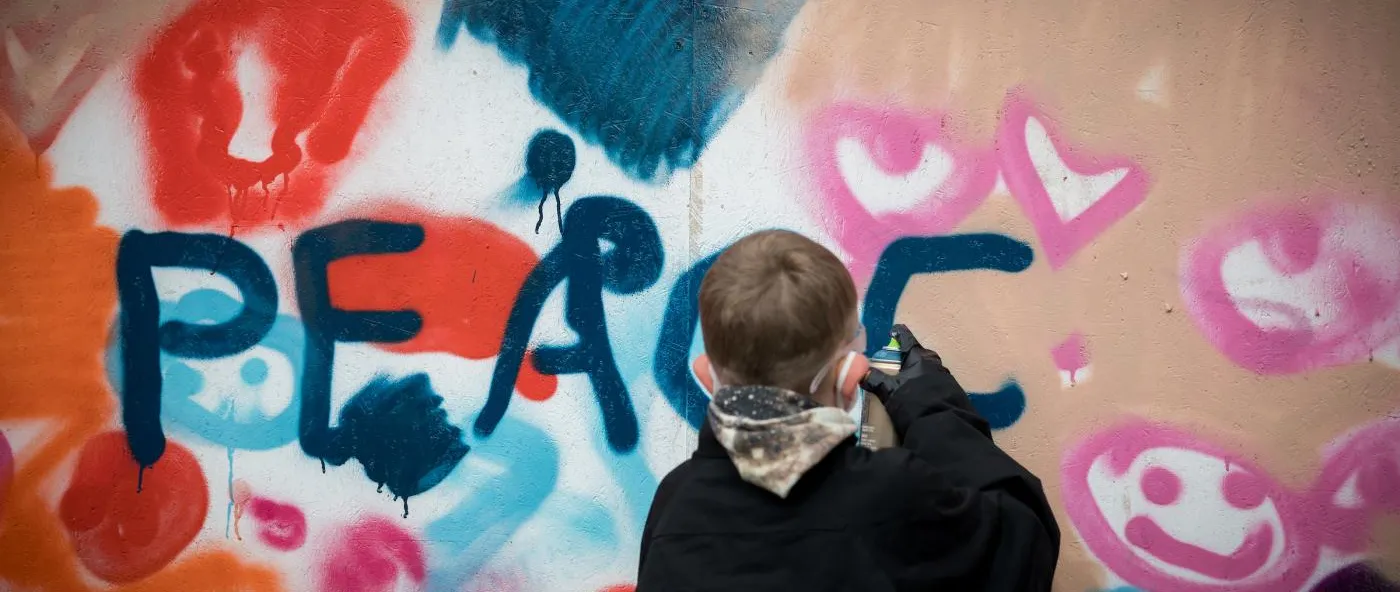
World Council of Churches image accompanying its report on interreligious dialogue and cooperation. · Image: Albin Hillert / World Council of Churches
Senior Christian and Muslim leaders, policymakers and peacebuilding practitioners met in Rome on 8–9 September 2026 for the steering committee of the Interreligious Platform for Dialogue and Cooperation in the Arab World. The World Council of Churches reported that the meeting reviewed the platform’s direction and future work.
Dialogue is being organised as an institution
Interfaith events are often criticised for producing warm statements without lasting consequences. A steering committee is different in one important respect: it suggests an attempt to create continuity, planning and accountability beyond a single public gathering.
The platform brings Christian and Muslim participants into a recurring structure, which can allow relationships to develop before crises occur. That matters because trust built only after conflict begins is harder to establish.
The Arab regional focus gives the dialogue practical stakes
Christian-Muslim relations in the Arab world are not abstract theological questions. They are shaped by citizenship, minority rights, war, migration, education, political power and the security of communities with long histories in the region.
A useful interreligious platform therefore has to do more than emphasise shared values. It must also be capable of addressing cases in which communities have competing interests, unequal power or genuinely different interpretations of law and social order.
Religious leaders can reduce or intensify division
Clergy and religious institutions can legitimise peaceful coexistence, condemn dehumanisation and create channels of communication across communal boundaries. They can also, in other settings, reinforce exclusion or provide sacred language for political conflict.
The significance of interreligious work depends partly on whether leaders are willing to challenge harmful rhetoric inside their own communities rather than condemning only the excesses of others. Mutual accountability is more demanding than ceremonial tolerance.
Cooperation does not require theological agreement
Christianity and Islam contain incompatible doctrinal claims on important questions. Dialogue does not need to hide those differences. In fact, cooperation is more credible when participants can acknowledge genuine disagreement while still defending the rights and dignity of people who believe differently.
This distinction is central to TBR’s approach. Peaceful coexistence should not depend on pretending all religions teach the same thing; it can instead rest on shared civic principles, reciprocal freedom and practical commitments against violence and discrimination.
Results should be judged by what changes
The value of the Rome meeting will ultimately depend on outcomes: stronger local networks, useful conflict-prevention mechanisms, better protection of minorities, educational initiatives or other measurable forms of cooperation.
Official dialogue is worth reporting because institutions can shape norms. It should also be evaluated critically, with attention to whether participants have the reach, independence and willingness to translate statements into behaviour when tensions become difficult.
Power differences also matter. A majority religious institution and a vulnerable minority may enter the same dialogue with very different risks, resources and freedom to speak. Effective cooperation therefore requires more than equal speaking time; it requires attention to whether all participants can raise grievances safely and whether commitments are enforceable outside the meeting room. Public reporting on follow-up commitments can strengthen accountability further.
Evidence notes
The factual account comes from the World Council of Churches’ 11 September 2026 report. TBR’s freedom-of-religion source provides a wider rights framework for assessing whether interreligious cooperation supports equal freedom in practice.
Ethical questions
Should interfaith bodies speak publicly when one participating community violates the rights of another? How can dialogue remain honest when participants differ substantially in power, legal status or political influence?
Conclusion
The Rome meeting is significant because it treats dialogue as ongoing infrastructure rather than a single symbolic gesture. Its credibility will depend on whether that infrastructure helps protect people and sustain cooperation when agreement is difficult.
Sources used
- International Standards on Freedom of Religion or Belief — Official source
- Interreligious Platform for Dialogue and Cooperation Steering Committee — Rome 2026 — Primary source